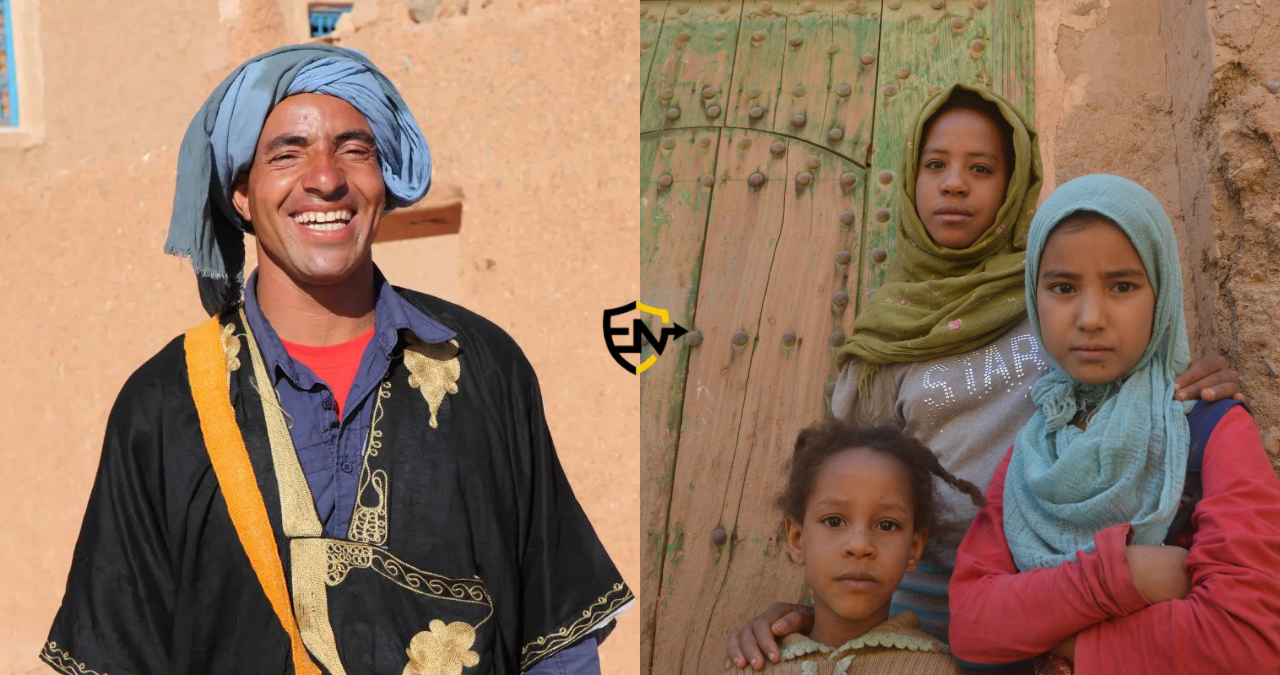
Moroccan people represent one of the most culturally diverse and historically rich populations in North Africa. Their identity has been shaped by centuries of interaction between Amazigh (Berber), Arab, African, Mediterranean, and European influences. This blending of cultures has created a unique national identity that is both traditional and modern at the same time. Morocco is home to more than 37 million people, and its society reflects a deep connection to heritage, religion, and community values.
The Moroccan population is not defined by a single ethnic group but rather by a mixture of civilizations that have influenced the region over thousands of years. From ancient Amazigh tribes to Arab migrations and Andalusian refugees, Moroccan people carry a legacy of resilience and adaptation. Today, this diversity is visible in language, clothing, food, music, and social traditions that vary across regions but remain united under a shared national identity.
Moroccan society is also known for its hospitality and strong family values. Visitors often describe Moroccan people as warm, welcoming, and deeply respectful of guests. These cultural traits are rooted in both Islamic traditions and ancient Amazigh customs. Understanding Moroccan people requires exploring their history, cultural practices, and evolving modern lifestyle.
Historical Background of Moroccan People
The history of Moroccan people dates back to prehistoric times when early human settlements existed in North Africa. Over time, the region became home to Amazigh communities, who are considered the indigenous people of Morocco. These early societies developed their own languages, traditions, and social systems that still exist today in various forms.
Later, Morocco experienced waves of influence from Phoenicians, Romans, Arabs, and Andalusi civilizations. Each group contributed to the shaping of Moroccan identity, especially in urban centers and coastal regions. The Arab arrival in the 7th and 8th centuries introduced Islam, which became the dominant religion and a unifying cultural force across the country. This transformation played a significant role in shaping Moroccan laws, education, and social values.
In the centuries that followed, Morocco developed powerful dynasties such as the Almoravids, Almohads, and Marinids, which expanded its influence across North Africa and parts of Europe. These dynasties helped establish Morocco as a center of trade, learning, and Islamic scholarship. Later, European colonial influence, especially from France and Spain, also left a lasting impact on governance, language, and infrastructure. Morocco eventually gained independence in 1956, marking a new era in its national development and identity.
Culture, Traditions, and Social Life
Moroccan culture is a vibrant mix of traditions that reflect its diverse heritage. One of the most important aspects of Moroccan life is hospitality. Guests are treated with great respect, often welcomed with traditional mint tea, which symbolizes friendship and generosity. Social gatherings are central to Moroccan life, where families and communities come together to celebrate religious and cultural events.
Traditional clothing also plays an important role in Moroccan identity. Men often wear djellabas, while women wear kaftans and other embroidered garments during special occasions. These outfits reflect both cultural pride and regional craftsmanship. In rural areas, traditional customs remain strong, while urban cities show a blend of modern and traditional lifestyles.
Festivals and celebrations in Morocco are deeply rooted in religion and culture. Islamic holidays such as Eid al-Fitr and Eid al-Adha are widely celebrated, along with local festivals that highlight music, art, and regional traditions. Moroccan music, including Andalusian, Gnawa, and Amazigh styles, showcases the country’s artistic diversity. These cultural expressions continue to evolve while preserving historical roots.
Language, Religion, and Identity
Language is a key part of Moroccan identity. The two official languages are Arabic and Tamazight (Amazigh). Moroccan Arabic, known as Darija, is widely spoken in daily life, while Tamazight is preserved in various regions, especially in mountainous areas. French is also commonly used in education, business, and administration, making Morocco a multilingual society.
Religion plays a central role in the lives of Moroccan people. The majority of the population practices Sunni Islam, which influences daily routines, laws, and social customs. Islamic teachings guide moral values, family structures, and community behavior. However, Morocco is also known for its historical tolerance, with small Jewish and Christian communities contributing to its cultural diversity.
Identity in Morocco is deeply tied to both heritage and modern national unity. Many Moroccans identify as both Arab and Amazigh, reflecting the blended nature of their ancestry. This dual identity is not seen as conflicting but rather complementary, contributing to a strong sense of belonging and cultural richness.
Modern Lifestyle and Economy
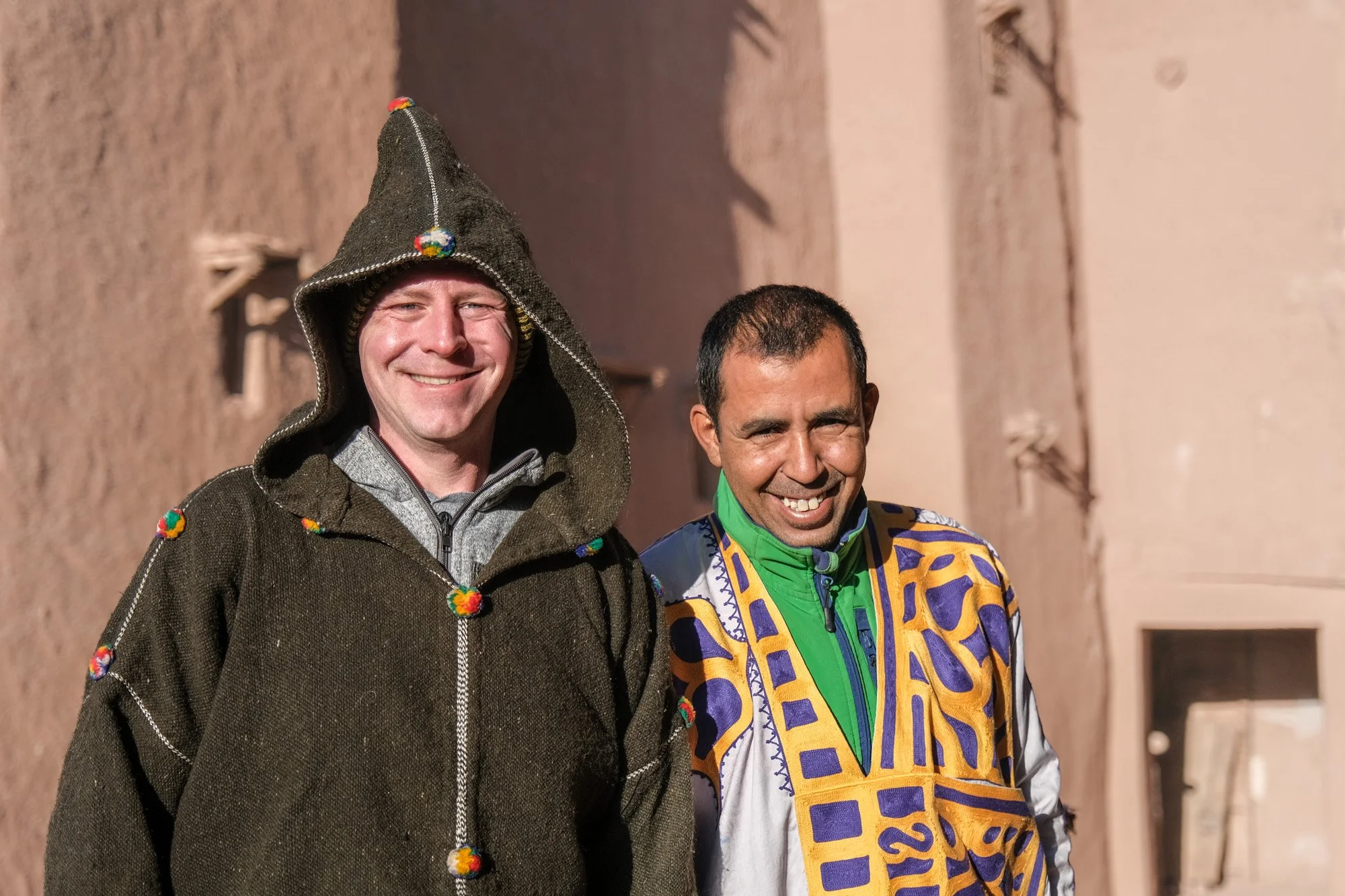
In modern times, Moroccan people have embraced both tradition and progress. Urban areas such as Casablanca, Rabat, and Marrakech are centers of economic growth, education, and tourism. Many Moroccans now work in industries such as manufacturing, agriculture, tourism, and technology, reflecting the country’s developing economy.
Despite modernization, traditional values remain strong in Moroccan society. Family structures are highly respected, and extended families often live close to one another. Respect for elders and community cooperation are important social principles that continue to guide everyday life.
Education and globalization have also influenced younger generations, who are increasingly connected to international culture while still maintaining their Moroccan identity. This balance between tradition and modernity defines the contemporary Moroccan lifestyle and highlights the adaptability of its people.
Conclusion
Moroccan people represent a unique blend of history, culture, and identity shaped by centuries of interaction between different civilizations. Their society is a reflection of diversity, unity, and resilience. From ancient Amazigh roots to modern urban development, Morocco continues to evolve while preserving its rich cultural heritage.
The strength of Moroccan people lies in their ability to maintain traditions while embracing change. This balance makes Morocco one of the most culturally fascinating countries in the world, where history and modern life coexist in harmony.
FAQs about Moroccan People (Keyword: Moroccan people)
1. Who are Moroccan people?
Moroccan people are the citizens of Morocco, mainly of Amazigh and Arab origin, with influences from African, European, and Mediterranean cultures.
2. What languages do Moroccan people speak?
Moroccan people mainly speak Arabic (Darija) and Tamazight, while French is widely used in education and business.
3. What is the culture of Moroccan people like?
The culture of Moroccan people is a mix of traditions, hospitality, Islamic values, music, and diverse regional customs.
4. What religion do Moroccan people follow?
Most Moroccan people follow Sunni Islam, which strongly influences their daily life and traditions.
5. Why are Moroccan people culturally diverse?
Moroccan people are diverse because of centuries of interaction with Amazigh, Arab, African, and European civilizations.